Introduction to Glucose Monitoring Devices

Glucose Monitoring Devices are advanced medical technologies designed to continuously or periodically measure blood sugar levels, crucial for managing diabetes. These devices span from traditional blood glucose meters to sophisticated continuous glucose monitors (CGMs) integrated with artificial intelligence (AI) for real-time insights and automated insulin delivery.
Glucose monitoring devices track blood sugar levels, with advanced continuous monitors using AI for real-time analysis, alerts, and insulin automation to enhance patient outcomes.
Glucose monitoring devices measure the concentration of glucose in the blood. They range from fingerstick meters requiring intermittent blood samples to minimally invasive CGMs that provide continuous data. The primary audience includes people with diabetes, caregivers, and healthcare professionals focused on glucose control.
Types of Glucose Monitoring Devices
- Blood Glucose Meters: Portable devices requiring finger-prick blood samples for intermittent glucose level measurement.
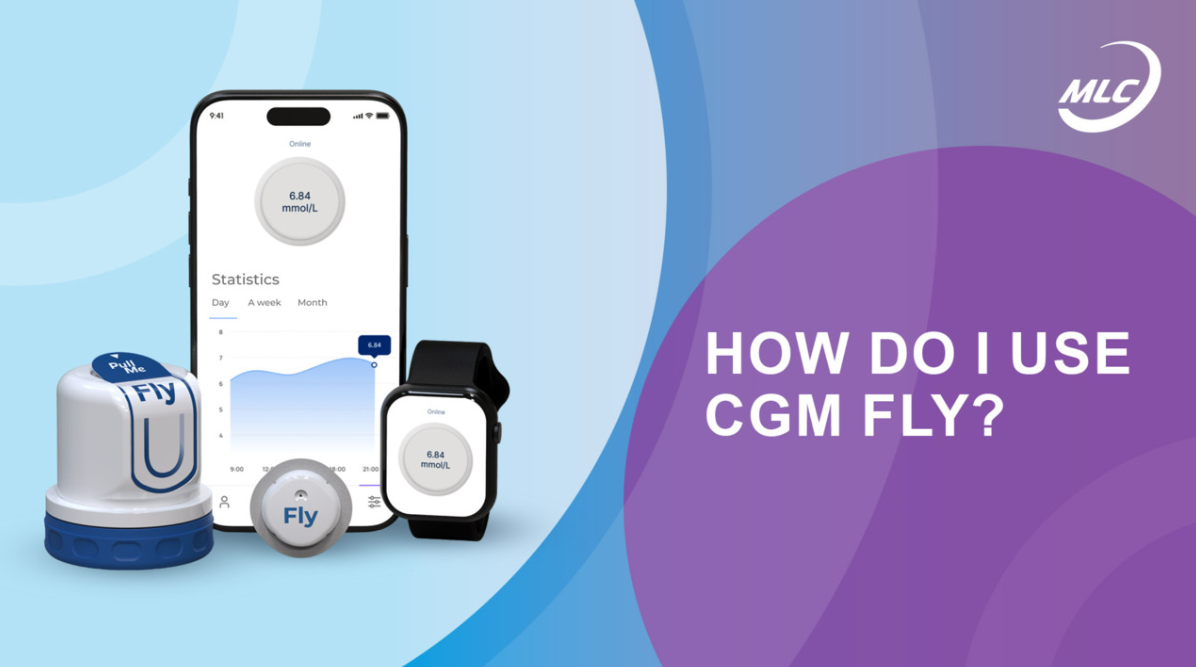
- Continuous Glucose Monitors (CGMs): Devices that use a sensor inserted under the skin to monitor glucose levels nearly continuously. CGMs transmit data to an external display or smartphone. For example CGM Fly by MLC Health Engineering.
- AI-Powered Systems: Emerging systems integrate CGMs with AI algorithms that analyze glucose trends, predict fluctuations, and optimize insulin delivery automatically.
Features of Glucose Monitoring Devices
- Glucose Sensor: Measures blood sugar levels via enzymatic or optical methods.
- AI Detection Block: An AI module interpreting glucose readings to guide treatment.
- Micropump: A device component that administers insulin automatically based on AI recommendations.
- Insulin: The hormone regulated by these devices, typically administered to control blood glucose.
How AI Enhances Glucose Monitoring

AI enables glucose monitoring devices to learn from individual glucose patterns influenced by diet, exercise, and stress. This allows predictive alerts for hypo- or hyperglycemia and automated insulin dosing, reducing risks and improving daily glucose management. Closed-loop systems, or “artificial pancreas,” combine CGM data with AI-driven insulin pumps for seamless glucose control.
Benefits of Continuous Glucose Monitoring
- Real-time glucose tracking during all activities, including sleep.
- Alerts for dangerously high or low glucose levels, preventing emergencies.
- Data is downloadable to apps for trend analysis and better management.
- Reduction in fingerstick tests improves patient comfort and compliance
Frequently Asked Questions (FAQs)
Q: How does a continuous glucose monitor work?
A: It uses a tiny sensor under the skin to measure glucose in interstitial fluid, transmitting data wirelessly to a display or smartphone.
Q: What are the advantages of AI-powered glucose monitoring devices?
A: AI enhances real-time glucose interpretation, predicts dangerous levels, and automates insulin delivery, improving safety and glucose control.
Q: Are glucose monitoring devices painful?
A: CGMs involve minimal discomfort during sensor insertion and eliminate multiple daily finger sticks.
Q: Can glucose monitors prevent diabetes complications?
A: Maintaining glucose in a healthy range through monitoring helps reduce risks of long-term complications.
Q: What innovations are expected in glucose monitoring?
A: Non-invasive sensors, better AI algorithms, and full closed-loop systems are key advancements.
Conclusion: Glucose monitoring devices have evolved dramatically from basic meters to sophisticated systems using AI, enhancing diabetes management significantly. The global industry of Diabetes Treatment is worth more than $ 75 billion and Growing rapidly. If you are interested to invest in Glucose Monitoring Device production line, please go here: MLC Health Engineering.
Read my previous article here:
Vancelian News: First success for Co-financing in Digital Assets